A fully loaded tractor-trailer can weigh up to 80,000 pounds. After a crash, drivers disagree, witnesses recall different details, and memories fade fast. One source stays steady, though. A small recorder inside the truck keeps a factual log of what happened. Anyone who speaks with atruck accident lawyer Bethlehem residents rely on will soon hear about it. We explain below what this data is and why it matters.
What Is Black Box Data?
“Black box” is a common name for the electronic recorder found in many commercial trucks. The term borrows from aircraft, yet the device works a little differently. Most heavy trucks store information in the engine control module. Some also carry a separate event data recorder.
The device does not record sound or video. It records numbers. Those numbers describe how the truck behaved in the seconds before, during, and after a crash.
Common Data Points Recorded
Exact details depend on the make, model, and age of the truck. Typical records include:
- Vehicle speed before impact
- Brake use and the timing of hard braking
- Throttle position
- Engine speed
- Cruise control status
- Seatbelt use
- Fault codes and hard-brake or sudden-stop events
Electronic Logging Devices
Many trucks also carry an electronic logging device. It tracks driving hours, engine hours, and vehicle movement. Federal hours-of-service rules limit how long a commercial driver may operate without rest. This log helps show whether a driver followed those limits.
Why Black Box Data Matters in a Truck Accident Claim
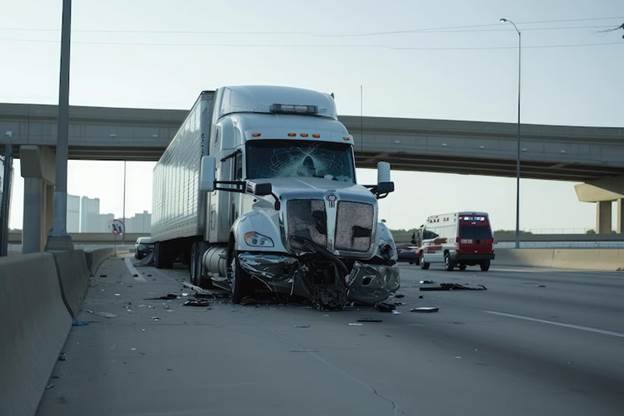
Truck accident in Bethlehem claims is rarely simple. Several parties may share blame, and each may tell a different story. Objective data can settle many of those disputes.
Confirming Speed and Braking
Was the driver speeding? Did the driver brake in time? Recorded figures can answer both questions. They may show that a truck was traveling well above the limit on a wet road, or that braking began far too late.
Revealing Signs of Fatigue
Tired drivers react slowly. Logging records can show long stretches behind the wheel with little rest. A gap between the logged hours and the real hours worked can also appear. Such a gap may point to falsified entries.
Testing the Driver’s Account
A driver may say the car ahead stopped suddenly. The recorder may show the truck was following too closely at high speed. Data does not take sides. It simply shows events in order.
Pointing to the Trucking Company
Responsibility often reaches beyond the driver. A carrier may have pushed unrealistic schedules or skipped maintenance. Fault codes and trip records can support those claims. Pennsylvania’s rules on shared fault make clear evidence even more valuable, because a small shift in blame can change the value of a claim.
The Real Danger: Data That Disappears
Here is the difficult part. This information does not last forever. Some recorders overwrite older events when the truck returns to service. A company may repair, sell, or scrap the vehicle within days. Routine record retention policies may also delete logs sooner than expected.
Once the data is gone, it rarely comes back. That is why timing carries so much weight.
The Preservation Letter
A preservation letter is a formal written demand. It tells the trucking company to keep the vehicle, its recorders, and related records intact. Sending it early puts the company on notice. If a company destroys evidence after receiving it, a court may impose penalties. The letter should go out quickly, often within days of the crash.
Expert Download and Analysis
Reading this data takes training. Specialized equipment extracts the files, and a qualified engineer interprets them. Done carelessly, the download can alter or damage the record. A proper process also protects the evidence so it can be used later.
Other Records That Work Alongside Black Box Data
Recorder data is strongest when it is supported by other proof. A thorough claim often draws on:
- Driver qualification and training files
- Maintenance and inspection records
- Dispatch messages and trip schedules
- Dashcam footage, if the truck had a camera
- Police reports and scene photographs
- Medical records tying injuries to the crash
Each item adds a layer. Together, they form a clear and credible picture.
Practical Tips After a Truck Crash
Injured people rarely think about evidence while recovering. A few simple steps still help.
- Seek medical care first. Health always comes before paperwork.
- Call the police. An official report creates an early record.
- Photograph the scene. Capture the truck, its markings, road conditions, and visible damage.
- Note the company name and plate numbers. These details help identify the carrier quickly.
- Avoid recorded statements. Insurers may use casual remarks against a claim.
- Contact a lawyer early. Evidence deadlines move faster than most families expect.
How a Truck Accident Lawyer Helps Secure the Evidence
An experienced truck accident lawyer acts on several fronts at once. The first task is the preservation letter. The next is arranging a safe download of the recorder under proper conditions. A lawyer also reviews the logs, compares them with witness accounts, and works with technical experts where needed.
Truck crashes are not limited to one town. They happen on Route 22, Interstate 78, and Interstate 476, and across the wider Lehigh Valley. Bethlehem injury lawyers who handle these cases regularly understand how local carriers operate and which records to demand. That familiarity can save valuable time when evidence is at risk.

Conclusion
Black box data does not replace a strong legal strategy. It strengthens one. It records speed, braking, and driving hours in plain figures, and it can clarify who bears responsibility. Its value, however, depends on swift action. Leeson & Leeson Accident and Injury Attorneys helps injured people act before that evidence is lost. We take cases on a contingency basis, so there is no legal fee unless we recover compensation. If a commercial truck has harmed you or a family member, a free consultation is a sound first step.
FAQs
Can anyone access a truck’s black box data after a crash?
No. The trucking company usually controls the vehicle and its recorders. An injured person typically needs a legal request, such as a preservation letter, to secure the data. A truck accident lawyer can arrange this and handle the download properly.
How long is black box data stored?
It varies. Some recorders keep only the most recent events and overwrite older ones. Logging records may be kept for a limited period under company policy and federal rules. Because of this variation, early legal action is strongly advised.
Does black box data prove who caused the accident?
Not on its own. It shows how the truck behaved, but it does not explain every cause. Lawyers combine it with witness accounts, inspection reports, and scene evidence. Together, these sources give a more complete view of fault.
When should I contact a lawyer about a truck accident in Bethlehem?
As soon as your health allows. Pennsylvania generally gives two years to file an injury claim, yet physical evidence may vanish much sooner. A truck accident lawyer Bethlehem families trust can send preservation requests while the records still exist.