Stacking insurance policies is a way for injured parties to recover more in damages in the event of an accident. In Pennsylvania, stacking is allowed for specific types of insurance policies. For more information about stacking insurance policies, the Bethlehem personal injury attorneys at Leeson & Leeson Accident and Injury Attorneys are here to help ensure you are fully informed of your rights. Pennsylvania auto insurance companies have used the "household exclusion" clause in their policies since the 1990s. This clause limits the amount of uninsured and underinsured motorists coverage the insurance company has to provide to its insureds after they make a claim following a car accident. According to the Motor Vehicle Financial Responsibility Law (MVFRL), any relatives living in the same household could seek benefits from policies issued to other "resident relatives" in the same household. However, insurance companies used the household exclusion clause to deny claims against policies of other household members that would have been permissible under the MVFRL. This exclusion clause essentially prevented injured household members from seeking underinsured motorists benefits from policies applicable in the same household unless they were insured under the same policy. For example, if the parents had a policy with Erie that included stacked UIM benefits and their daughter had her own policy with Progressive, Erie could deny any claim against the parents' UIM coverage if the daughter was involved in an accident while driving her own vehicle. UIM means uninsured motorist. This is because their vehicles were insured under a different policy from their daughter's. However, the Supreme Court of Pennsylvania's January 2019 decision in Gallagher v. Geico Indemnity Co. made household exclusion clauses unenforceable in Pennsylvania. This decision held that such exclusion clauses were contrary to the express provisions of the MVFRL. As a result, anyone seriously injured in an auto accident has the right to seek benefits from the policies of any resident relatives at the time of their accident. Pursuing such a claim can involve complex legal questions concerning "residency" and damages, and it is advisable to seek legal advice. Stacking insurance policies today allows insured parties to stack coverage when multiple policies cover a single accident. However, the ability to stack policies depends on the language of the insurance contract and the type of insurance policy at issue. For example, workers' compensation insurance policies and health insurance policies cannot be stacked. To properly stack insurance policies, the attorneys at Leeson & Leeson Accident and Injury Attorneys can help determine the specific language in your policy and how you may be able to apply it to your situation.
Leeson & Leeson Accident and Injury Attorneys is Here For You
If you were in an accident within the last four years and were advised that you could not pursue a claim against uninsured or underinsured motorist benefits due to a household exclusion clause, Leeson & Leeson Accident and Injury Attorneys law firm's Bethlehem car accident lawyers can help you. Our experienced attorneys have years of experience with helping clients recover damages in auto accident cases because we understand the nuances of Pennsylvania law and how to get you the justice you deserve. You may still be able to pursue claims for additional UM or UIM benefits. Our office offers free consultations and works on a contingency fee basis.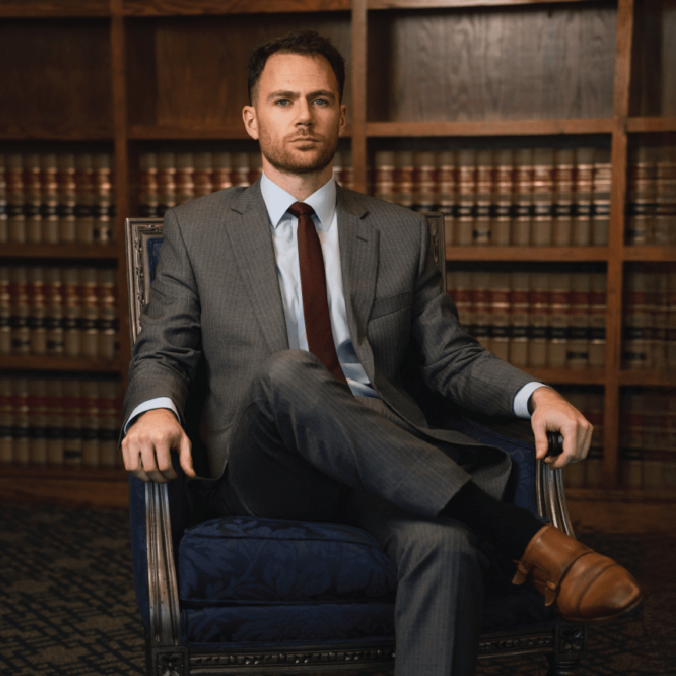
Joseph F. Leeson, III
Attorney
With extensive knowledge of both law, business, and business finance, lead attorney, Joseph Leeson, III, JD, MBA, CPA (Inactive) has the skill and experience to help clients navigate the complex areas of estate planning, commercial litigation, personal injury, and insurance claims to help maximize client outcomes and damages in recovery.
Author's Bio